Abstract
Critical Counterfactuals as Ethical Speculation in Design Interactions
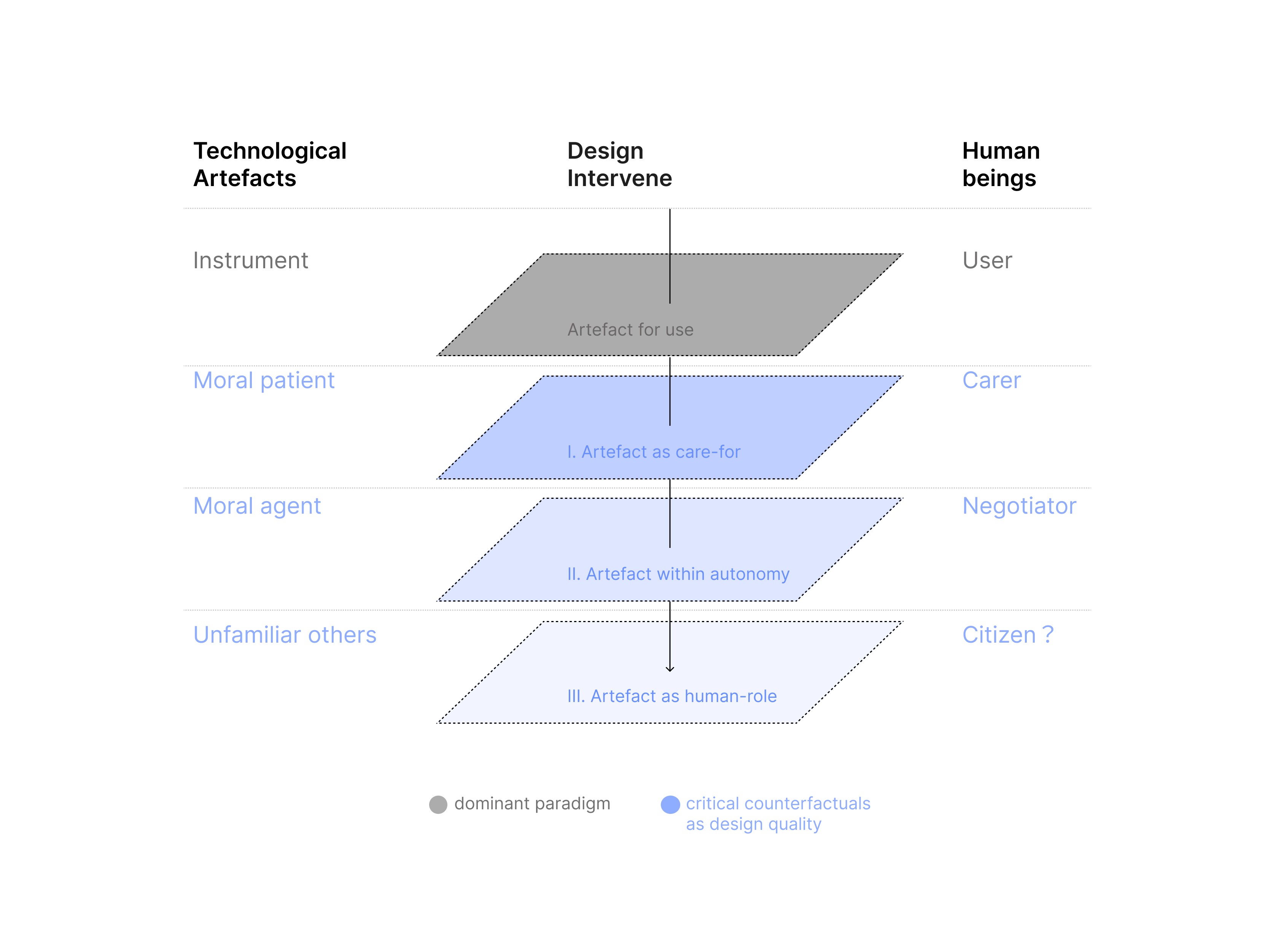
As interactive technologies become increasingly embedded in social and moral life, conventional approaches to ethical design grounded in value embedding and problem resolution, which prove insufficient for situations where ethical boundaries are emergent and fundamentally uncertain. This paper introduces critical counterfactuals as a design quality capable of generating ethical discourse through interaction, rather than resolving ethical dilemmas in advance. Drawing on the philosophy of technology, the study traces the evolving moral roles of technological artefacts from tools to moral patients, moral agents, and unfamiliar others, and examines how critical counterfactual interventions at each stage transform the corresponding role of the human from user to carer, negotiator, and citizen. Through analysis of three representative design cases, the paper identifies three defining qualities of critical counterfactual in interaction design. Furthermore, the study proposes a conceptual shift from ontological determination to discursive practice, arguing that design can function as a mechanism for producing public ethical discourse. This framework complements solution-oriented approaches to ethical design and expands the research paradigm to encompass ethically indeterminate conditions inherent to intelligent artefacts.
Keywords: Critical Counterfactual, Speculative Design, Interaction Design.
Tison Tang, Daijiro Mizuno
Author
Find more articles
Jun 5, 2026
Critical Counterfactuals as Ethical Speculation in Design Interactions
read more
Dec 5, 2025
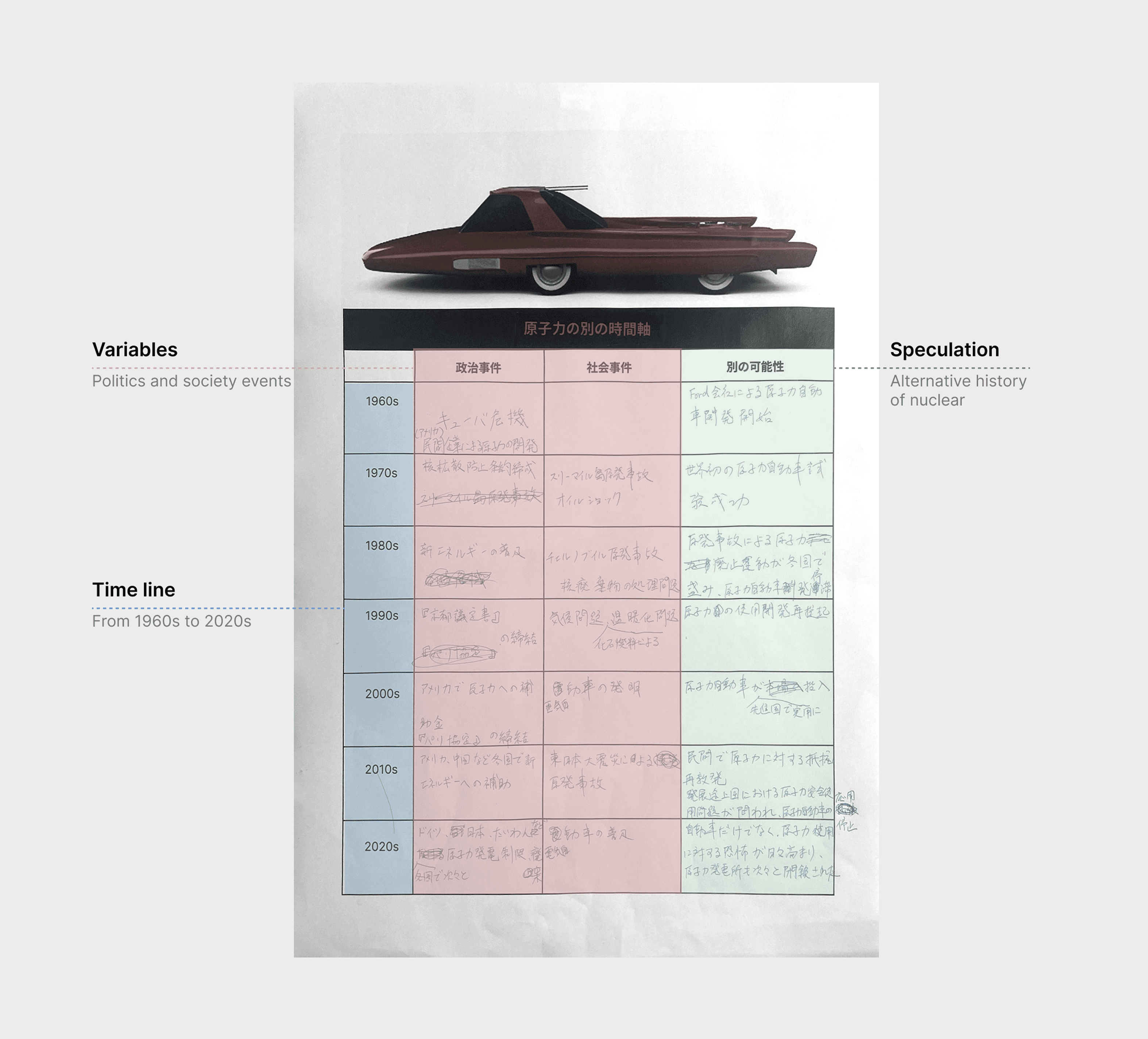
Speculating the Past: Recovering Ford-Nucleon through Counterfactual Archives to Open the Possibilities of Nuclear Energy
read more
Nov 6, 2025
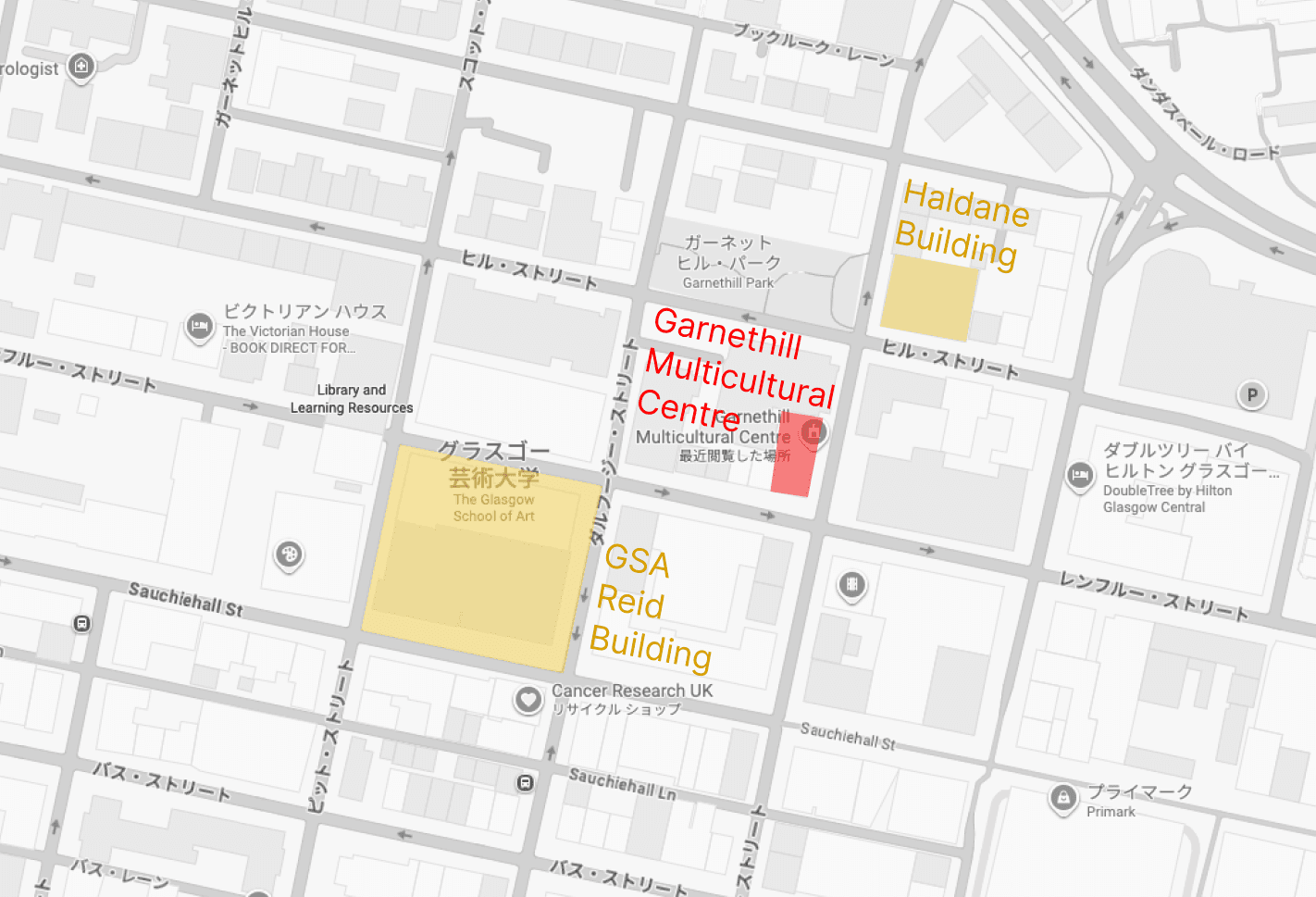
Cross-Cultural Design Practice at The Glasgow School of Art: The Local Community as a Cultural Mediator for International Students
read more